How is Kialodenzydaisis? Understanding This Controversial Term
Kialodenzydaisis is a term that has recently surfaced in health discussions and alternative healing circles. However, it carries a lot of ambiguity, and there is still widespread confusion about what it truly means. Some sources describe it as a chronic systemic condition, others as an energy-based healing practice, and some dismiss it entirely as a misleading or fake concept. This article aims to unpack what Kialodenzydaisis is, how it is described, and the controversy surrounding it, helping readers separate fact from fiction.
What is Kialodenzydaisis?
Kialodenzydaisis is a term that appears to encompass a wide variety of meanings. There is no single, universally accepted definition. Broadly, it is described in the following ways:
-
A Chronic Systemic Condition: Some texts describe Kialodenzydaisis as a condition that affects the entire body system, characterized by fatigue, inflammation, and immune responses. This perspective aligns it with autoimmune or chronic illnesses, suggesting that the body’s immune system malfunctions and affects multiple organs or systems. Patients reportedly experience low energy, persistent discomfort, and recurring health challenges.
-
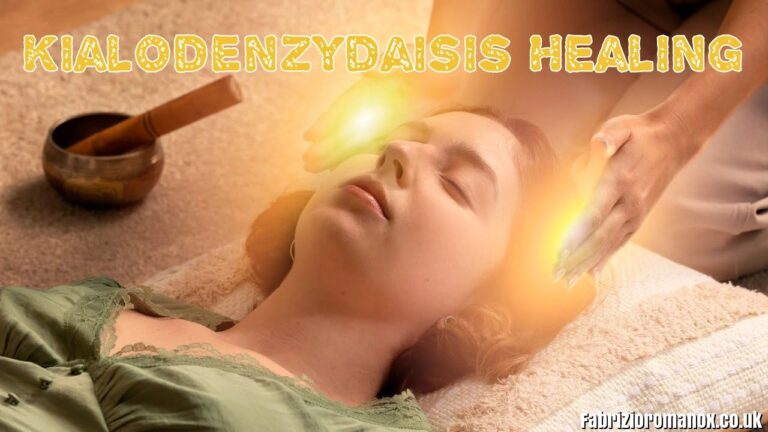
An Energy-Based Healing Method: Others describe Kialodenzydaisis not as a disease but as a healing practice aimed at restoring the body’s natural energy balance. Proponents of this interpretation claim that Kialodenzydaisis healing helps release emotional blockages, align the mind and body, and promote overall wellness.
-
A Holistic Approach to Mind, Body, and Soul: Some sources define Kialodenzydaisis as a spiritual or holistic healing method. In this context, the term is sometimes translated to mean “Anchoring the life-force”, emphasizing its goal to balance mental, physical, and spiritual energy simultaneously.
-
A Questionable or Fake Concept: Despite these interpretations, there are also claims that Kialodenzydaisis is essentially an autoimmune disease with no scientific validation and that so-called “Kialodenzydaisis healing” has no real medical basis. Critics argue that the term is mostly a marketing invention or a pseudoscientific concept designed to promote alternative therapies.
Symptoms Commonly Attributed to Kialodenzydaisis
While no clinical consensus exists, some accounts suggest that individuals experiencing Kialodenzydaisis may report:
-
Chronic fatigue or extreme tiredness
-
Low-grade inflammation in the body
-
Recurrent immune responses, such as allergies or mild autoimmune-like reactions
-
Emotional blockages or mental fatigue
-
A general feeling of imbalance in life-force or energy
It’s important to note that these symptoms are non-specific, meaning they can overlap with many other medical or psychological conditions. This further complicates any attempt to clearly define Kialodenzydaisis as a legitimate medical diagnosis.
Kialodenzydaisis as an Energy-Based Healing Practice
In the alternative healing community, Kialodenzydaisis is often presented as a method to realign the body’s energy systems. Here’s how proponents describe it:
Releasing Emotional Blockages
Supporters of Kialodenzydaisis healing claim that unresolved emotions, stress, or trauma can block the flow of energy in the body. Techniques may involve meditation, guided visualization, or touch-based practices that aim to “release” these blockages.
Restoring Energy Balance
The core goal of Kialodenzydaisis healing is to restore the natural energy balance of the body. Proponents argue that by aligning energy pathways, individuals can experience improved physical health, emotional well-being, and spiritual clarity.
Mind, Body, and Soul Connection
Many alternative therapy guides describe Kialodenzydaisis as more than just a physical healing technique. It is seen as a holistic approach that treats the mind, body, and soul simultaneously, aiming to create an inner sense of harmony and life-force anchoring.
Scientific Perspective on Kialodenzydaisis
From a medical standpoint, Kialodenzydaisis is highly controversial. Currently, there is no scientific literature that recognizes Kialodenzydaisis as a disease or validates the healing methods associated with it. Key points include:
-
Autoimmune Claims: While some sources label Kialodenzydaisis as an autoimmune disorder, there is no evidence in medical journals confirming this. Autoimmune diseases have specific biomarkers and diagnostic criteria, none of which are linked to Kialodenzydaisis.
-
Healing Claims: The techniques promoted as Kialodenzydaisis healing lack empirical support. There are no controlled studies proving that energy-based interventions can cure chronic systemic conditions.
-
Pseudoscience Risk: Experts caution that promoting Kialodenzydaisis as a medical treatment can be misleading, especially for individuals seeking care for chronic illnesses. Mislabeling conditions may delay proper diagnosis and treatment.
The Controversy Surrounding Kialodenzydaisis
The ambiguity of Kialodenzydaisis has fueled debate. On one side, proponents in holistic and alternative medicine describe it as an innovative approach to wellness. On the other side, medical professionals and skeptics argue it is a fake or misleading term, with no basis in clinical reality.
Key points of contention include:
-
Terminology Confusion: Different sources use the term for both a disease and a healing practice, creating significant confusion.
-
Lack of Peer-Reviewed Research: No credible studies document the existence of Kialodenzydaisis as a diagnosable condition or validate the effectiveness of related healing techniques.
-
Potential for Misdiagnosis: Associating vague symptoms with a non-recognized condition could prevent individuals from receiving accurate medical care.
How to Approach Kialodenzydaisis
If you encounter Kialodenzydaisis in wellness circles or online content, it is important to approach it with caution and critical thinking. Here are a few practical tips:
-
Consult Medical Professionals: If you experience chronic fatigue, inflammation, or immune-related symptoms, seek guidance from a licensed healthcare provider. These could be signs of conditions that require medical treatment.
-
Evaluate Alternative Claims Carefully: While holistic practices can promote relaxation and stress reduction, claims of curing autoimmune or systemic conditions without scientific backing should be treated skeptically.
-
Prioritize Evidence-Based Practices: Techniques such as proper nutrition, regular exercise, sleep hygiene, and medically approved treatments should remain the cornerstone of health management.
Conclusion: What is the Real Take on Kialodenzydaisis?
Kialodenzydaisis is a highly ambiguous term that is described in multiple, often contradictory ways:
-
As a chronic systemic condition affecting energy and immune function
-
As a holistic or energy-based healing method for mind, body, and soul
-
As a term with no scientific validity, sometimes labeled as fake
Currently, the medical community does not recognize Kialodenzydaisis as a real disease, and claims of “Kialodenzydaisis healing” lack empirical evidence. While energy-based practices may provide emotional or relaxation benefits, they should not replace medical diagnosis or treatment.
In essence, Kialodenzydaisis remains an interesting concept in wellness circles but should be approached with a balanced perspective, combining open-mindedness with critical evaluation. Understanding it requires distinguishing between alternative wellness ideas and medically validated conditions.
Final Thoughts
The discussion around Kialodenzydaisis highlights the growing intersection between holistic wellness and modern medicine. While some people may find personal benefit in energy-based practices, anyone experiencing chronic fatigue, immune issues, or unexplained inflammation should prioritize evidence-based healthcare. Until further research emerges, Kialodenzydaisis should be treated as a conceptual or experimental idea rather than a formal medical diagnosis.