Undergrowth Games Contributor – Roles, Opportunities, and Community Impact
The gaming industry has evolved far beyond large corporate studios. Today, independent development communities and collaborative platforms play a powerful role in shaping creative, innovative, and experimental games. One such name gaining attention in indie development discussions is Undergrowth Games. Many aspiring developers, designers, writers, and testers search for information about becoming an Undergrowth Games contributor.
But what does it actually mean to contribute? What roles are available? And how can creative individuals become part of such a development ecosystem?
In this in-depth article, we explore the structure, contribution model, creative opportunities, technical roles, and long-term benefits of becoming a contributor within the Undergrowth Games environment.
What Is Undergrowth Games?
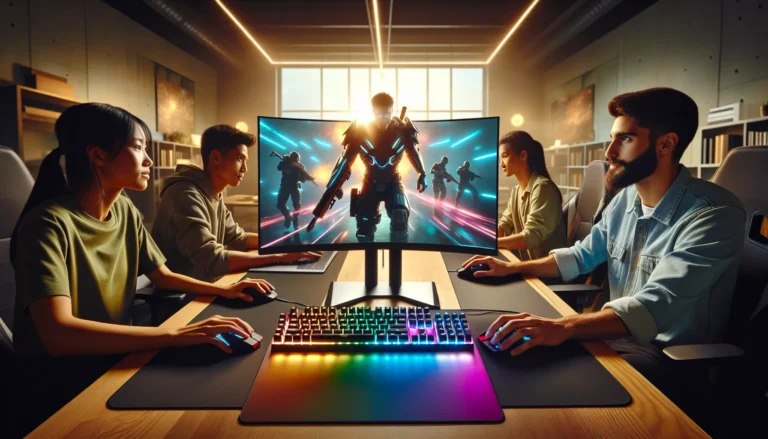
Undergrowth Games is recognized as an independent game development community focused on creative collaboration and experimental game design. Unlike traditional studios with rigid hierarchies, community-driven platforms encourage participation from individuals with diverse skill sets.
Independent game communities typically focus on:
- Creative freedom
- Experimental storytelling
- Unique gameplay mechanics
- Collaborative design models
- Community engagement
Undergrowth Games represents a grassroots-style approach where contributors play a direct role in shaping projects.
Who Is an Undergrowth Games Contributor?
An Undergrowth Games contributor is anyone who participates in the creative, technical, or strategic development of a game project within the community.
Contributors may include:
- Game developers
- Programmers
- Artists and illustrators
- Sound designers
- Story writers
- Level designers
- Beta testers
- Community managers
Each contributor adds value by strengthening different areas of game production.
Why Contributor-Based Development Matters
The modern indie gaming landscape thrives on collaboration. Contributor-based models offer several advantages:
1. Diverse Creative Input
Multiple contributors bring fresh ideas and perspectives.
2. Flexible Project Structures
Teams can expand or adapt based on project needs.
3. Faster Innovation
Community feedback accelerates iteration cycles.
4. Talent Discovery
Emerging developers gain exposure and build portfolios.
Undergrowth Games contributor programs help democratize game development.
Key Roles of an Undergrowth Games Contributor
Game Programmers
Programmers handle:
- Gameplay mechanics
- Physics systems
- AI behavior
- User interface coding
- Performance optimization
Programming contributors ensure the technical foundation of projects.
Graphic Artists and Designers
Visual contributors work on:
- Character design
- Environmental art
- Concept art
- Animation
- UI/UX design
- High-quality visuals significantly impact player engagement.
Writers and Narrative Designers
Storytelling is central to immersive games. Writers contribute:
- Dialogue scripts
- World-building concepts
- Character development
- Quest structures
- Lore documentation
Strong narratives enhance emotional connection.
Sound Designers and Music Contributors
Audio elements define atmosphere. Sound contributors create:
- Background music
- Ambient effects
- Combat sounds
- Voice-over recordings
Good sound design improves immersion and realism.
Testers and Quality Assurance Contributors
QA contributors are essential for:
- Identifying bugs
- Reporting performance issues
- Testing game balance
- Ensuring stability
Without testing contributors, even the best ideas can fail in execution.
How to Become an Undergrowth Games Contributor
Becoming a contributor typically involves:
- Demonstrating relevant skills
- Sharing a portfolio or past work
- Participating in community discussions
- Applying through official channels
- Collaborating on open projects
Independent gaming communities often value creativity and commitment more than formal credentials.
Benefits of Being an Undergrowth Games Contributor
Portfolio Development
Contributors gain real project experience.
Networking Opportunities
Collaborating with other creators builds professional connections.
Skill Enhancement
Hands-on work strengthens both technical and creative skills.
Recognition
Successful projects highlight contributors publicly.
Revenue Potential
In some cases, revenue-sharing or profit participation may be offered.
Tools Commonly Used by Contributors
Game development contributors often work with:
- Game engines (Unity, Unreal Engine, Godot)
- Graphic design software
- Audio editing tools
- Version control systems
- Project management platforms
Familiarity with collaborative tools improves workflow efficiency.
Challenges Contributors May Face
While contributor-based models are empowering, they also present challenges:
- Coordination across time zones
- Balancing volunteer work with paid commitments
- Maintaining consistent quality
- Meeting deadlines
- Resolving creative disagreements
Strong communication skills are essential for success.
The Impact of Contributors on Indie Gaming
Indie gaming thrives on experimentation. Contributor-driven projects often introduce:
- Innovative gameplay mechanics
- Unique storytelling styles
- Artistic experimentation
- Niche genre exploration
Undergrowth Games contributors contribute directly to this creative evolution.
Community Culture and Collaboration
Healthy contributor communities focus on:
- Respectful communication
- Constructive feedback
- Transparency
- Skill-sharing
- Equal opportunity
A positive culture ensures long-term sustainability.
Future Opportunities for Contributors
The future of contributor-based gaming may include:
- Remote-first development models
- Blockchain-based asset ownership
- Crowdfunding-driven projects
- AI-assisted development tools
- Global collaborative publishing
As technology advances, contributors will have even more opportunities to participate meaningfully.
Frequently Asked Questions
Do contributors get paid?
Payment structures vary. Some projects offer revenue sharing, while others are volunteer-based.
Is experience required?
Skill and passion are usually more important than formal qualifications.
Can beginners contribute?
Yes, beginners can participate in testing, community moderation, or smaller creative tasks.
Conclusion
Becoming an Undergrowth Games contributor offers an exciting opportunity to engage in creative collaboration, enhance professional skills, and contribute to innovative indie gaming projects. Whether you are a programmer, artist, writer, tester, or strategist, contributor-based development models open doors to creative expression and community-driven growth.