OCD and Hair Pulling: Understanding Comorbidity, Causes, and Treatment Options
You may already feel confused about whether OCD and hair pulling is a form of OCD, a separate condition, or something that sits between categories. Hair-pulling (trichotillomania) often shares features with OCD but usually appears as a separate body-focused repetitive behavior driven by urges, tension, or habit rather than intrusive thoughts.
This article will help you tell the difference, explain how clinicians diagnose these conditions, and outline effective treatments you can pursue to reduce urges and regain control. Stay with the explanation to learn practical next steps and what to expect from therapy and medication options.
Understanding OCD and Hair Pulling
You will learn how obsessive-compulsive disorder (OCD) differs from hair-pulling behaviors, what hair-pulling disorder (trichotillomania) looks like, and how the two conditions can overlap in causes, symptoms, and treatment approaches.
What Is OCD?
OCD involves persistent, unwanted thoughts (obsessions) and repetitive behaviors or mental acts (compulsions) performed to reduce anxiety from those thoughts. You may experience specific obsessions such as contamination, harm, or symmetry, and compulsions like checking, washing, counting, or repeating phrases.
Symptoms cause noticeable distress or interfere with daily life, taking hours each day for some people. Diagnosis relies on clinical assessment of the thought-behavior cycle and its impact on functioning. Evidence-based treatments include cognitive-behavioral therapy with exposure and response prevention (ERP) and selective serotonin reuptake inhibitors (SSRIs).
What Is Trichotillomania?
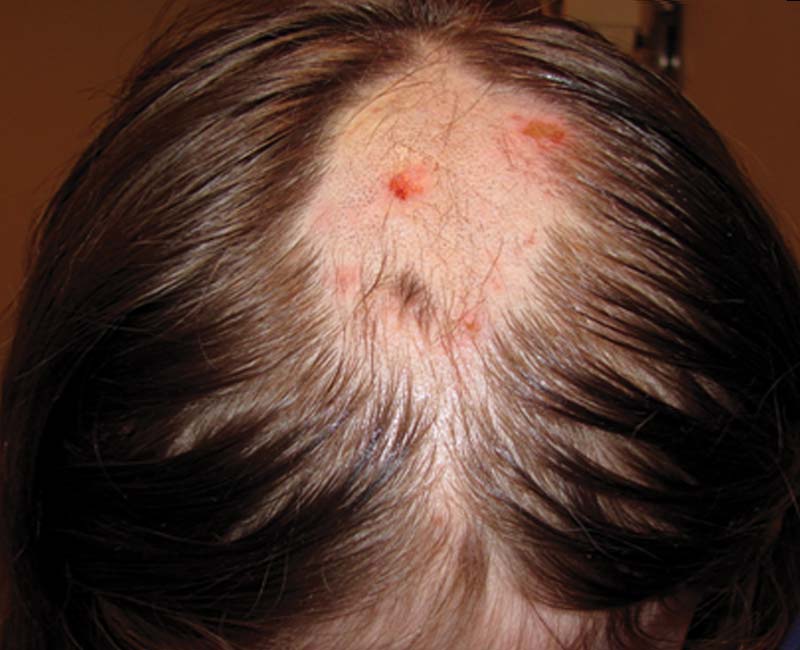
Trichotillomania (hair-pulling disorder) causes repeated urges to pull out hair leading to hair loss and distress. You might pull from the scalp, eyelashes, eyebrows, or other body areas, often in response to tension, boredom, or as an automatic behavior.
People describe increasing tension before pulling and relief or gratification after. Triggers include anxiety, frustration, fatigue, or sensory factors like the feel of a hair. Behavioral treatments—habit reversal training (HRT) and stimulus control—are primary, with certain medications considered when needed.
Overlap Between OCD and Hair Pulling
Both conditions involve repetitive behaviors and can co-occur, but the underlying motivations often differ. In OCD, you perform actions to neutralize intrusive thoughts or prevent feared outcomes; in trichotillomania, pulling often relieves tension or provides sensory satisfaction rather than serving a ritual to prevent harm.
Shared features:
- Repetitive actions that cause impairment
- Possible genetic and neurobiological links
- Co-occurring anxiety or depressive disorders
Differences to note:
- OCD compulsions are driven by specific obsessions; hair pulling may be automatic or emotion-regulating.
- ERP targets compulsions tied to obsessions; HRT targets the motor habit and antecedent triggers of pulling.
Treatment planning should assess whether pulling functions as an OCD compulsion for you or as a body-focused repetitive behavior, because that determination guides whether ERP, HRT, medication, or a combination will most likely help.
Diagnosis and Effective Treatment Options
You will learn how clinicians distinguish hair-pulling related to OCD from other causes, which therapies have the strongest evidence, and when medication may help. The focus is on practical signs, validated treatments, and realistic expectations for outcomes.
Identifying Symptoms and Patterns
Clinicians diagnose hair-pulling by looking for recurrent pulling that causes noticeable hair loss, repeated unsuccessful attempts to stop, and significant distress or impairment in daily life. You should note the typical locations (scalp, eyebrows, eyelashes), frequency, and whether pulling happens during focused urges or absent-mindedly.
Track triggers and context. Keep a short log of time of day, emotions, and situations around pulling episodes for at least two weeks. This helps differentiate hair-pulling disorder from OCD-driven compulsions (which often follow intrusive thoughts) or from grooming, dermatologic conditions, or cultural practices.
Assessment often includes screening for co-occurring conditions like OCD, anxiety, depression, and skin picking. A targeted clinical interview and brief scales (e.g., MGH Hairpulling Scale) assist in measuring severity and treatment response.
Evidence-Based Therapies
Habit Reversal Training (HRT) is the primary behavioral treatment with the most consistent evidence for reducing pulling. You learn to recognize premonitory sensations, use competing responses (e.g., clenching fists) when urges arise, and implement awareness training and stimulus control.
Acceptance and Commitment Therapy (ACT) and cognitive elements can help when avoidance or rigid beliefs fuel pulling. For people whose pulling links closely with OCD rituals, Exposure and Response Prevention (ERP) adapted for hair-pulling can target anxiety-driven compulsions.
Treatment delivery options include individual therapy, group programs, and guided self-help. Expect measurable improvement within weeks to months; maintenance strategies and relapse prevention remain important parts of therapy.
Medication Considerations
No medication cures hair-pulling, but drugs can reduce severity for some people or address co-occurring disorders. Selective serotonin reuptake inhibitors (SSRIs) may help when hair-pulling occurs alongside OCD or major depression. You should expect modest effects and discuss side effects and timeframe (6–12 weeks) with your prescriber.
N-acetylcysteine (NAC) has shown benefit in some trials for adults by modulating glutamate; dosing commonly ranges from 1,200–2,400 mg/day under supervision. Antipsychotic augmentation or atypical agents are sometimes used when symptoms are severe or resistant, but these carry higher side-effect risks.
Make treatment decisions collaboratively. Combine medication with behavioral therapy when possible, monitor progress with symptom scales, and reassess regularly to adjust dose or strategy.