7 Video Face Swap Tools for Social Media Content
Face swap technology has quickly evolved from a novelty feature into a powerful creative tool for social media storytelling. Whether it’s for humorous reels, character-based brand campaigns, influencer collaborations, or experimental short-form content, creators are increasingly turning to AI-powered solutions to transform videos in seconds.
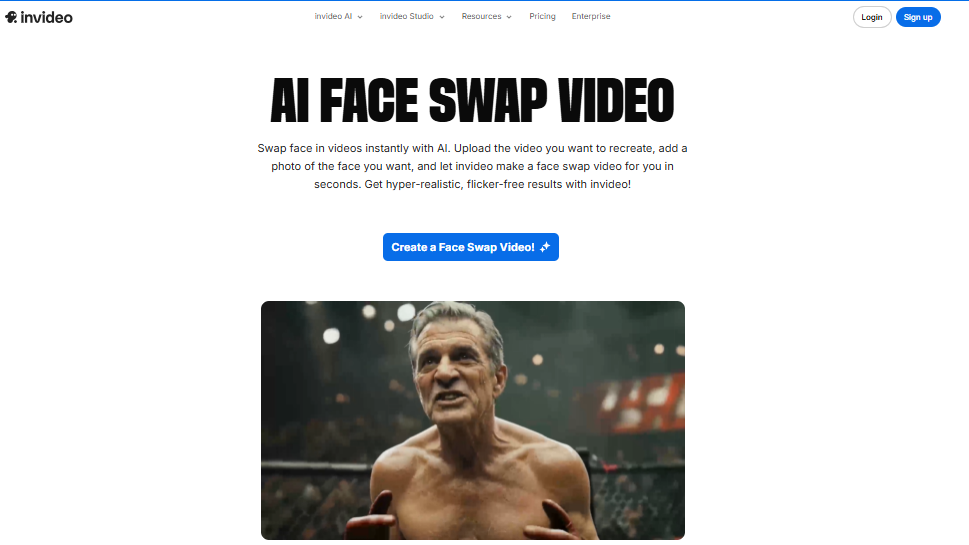
At the forefront of this shift is invideo, a platform that enables users to swap faces in videos instantly with AI. By uploading a video and adding a photo of the face you want to use, invideo generates hyper-realistic, flicker-free results within seconds. For social-first creators and brands looking to move fast, this kind of workflow significantly reduces production time while unlocking new creative possibilities.
In this blog, we’ll explore seven video face swap tools that are shaping social media content creation today. Each tool offers unique strengths depending on your goals—whether that’s viral entertainment, brand marketing, or experimental digital storytelling.
Why Video Face Swap Tools Are Gaining Popularity
Before diving into the tools, it’s worth understanding why face swapping has become such a major trend in social content.
1. Short-Form Video Demands Speed
Platforms like Instagram Reels, TikTok, and YouTube Shorts reward fast production cycles. Creators need to experiment quickly, test variations, and jump on trends within hours—not days. AI-driven face swap tools dramatically reduce editing time.
2. Personalization Drives Engagement
Audiences love seeing familiar faces in unexpected situations. Swapping a creator’s face into trending scenes or parody videos increases relatability and shareability.
3. Budget-Friendly Production
Instead of organizing shoots, hiring actors, or recreating scenes, creators can repurpose existing footage. Face swap tools make high-impact visuals accessible without traditional production costs.
1. Invideo
When discussing modern face swapping for social content, invideo stands out for its speed and accessibility.
Seamless AI-Powered Face Replacement
With invideo, users simply upload an existing video and a photo of the desired face. The system processes the footage and generates a hyper-realistic face replacement that blends naturally with expressions, lighting, and movement. The result is flicker-free output that feels cohesive rather than artificially layered.
The platform’s video face swap capability is particularly useful for creators producing short-form skits, parody clips, reaction content, and branded storytelling. Because the workflow is streamlined, even users without advanced editing skills can produce polished results.
Designed for Social Media Workflows
Unlike complex VFX software, invideo is built for creators who need efficiency. It works well for recreating trending scenes with a personal twist, influencer-style character swaps, meme-driven content, and brand experiments with alternate spokesperson visuals.
Additionally, for creators looking to manage multiple content formats in one place, invideo functions as an AI video maker app, enabling users to edit, enhance, and publish optimized videos without jumping across multiple tools.
The focus remains on speed, accessibility, and realistic results, making it a practical choice for social-first creators.
2. Reface
Reface gained popularity through viral short clips and mobile-based face swapping.
Mobile-First Simplicity
Reface allows users to swap faces into popular movie scenes, GIFs, and trending clips directly from their smartphones. It’s ideal for quick entertainment-driven content rather than professional campaigns.
Strong Meme Culture Integration
Because it frequently updates its media library with recognizable pop culture references, Reface works well for creators who lean heavily into humor, parody, and viral formats. However, customization flexibility can be limited compared to platforms that allow full video uploads and advanced editing.
3. DeepFaceLab
DeepFaceLab is one of the more advanced tools used in the deepfake community.
High Customization and Control
This tool provides granular control over face training models, blending, and alignment. It’s best suited for experienced editors and developers comfortable working with machine learning workflows.
Longer Processing Times
While it delivers impressive realism when used correctly, it requires significant setup time and computing power. For creators working on trend-based social content, the complexity may slow down production cycles. DeepFaceLab is often chosen for experimental projects or highly detailed transformations rather than quick-turn social videos.
4. FaceMagic
FaceMagic focuses on fast AI-powered swaps with an emphasis on entertainment.
Quick Upload and Swap
Users can upload selfies and instantly generate short video swaps. The interface is beginner-friendly, making it accessible to casual creators.
Social-Ready Output
The exported clips are optimized for social sharing, though editing customization remains relatively minimal. It’s ideal for fun, lighthearted content rather than brand campaigns requiring precise control.
5. Zao
Zao gained attention for its highly realistic swaps in cinematic clips.
Realistic Facial Mapping
The app became viral due to its ability to place users into movie scenes convincingly. Its strength lies in cinematic face integration.
Limited Content Scope
Zao primarily works with its own content library, which can restrict creative freedom. For creators who want to swap faces into original footage, broader platforms may be more suitable.
6. FaceSwap (Open Source)
FaceSwap is an open-source deepfake tool offering flexibility for advanced users.
Customizable Models
Because it’s community-driven, users can train custom AI models for specific face swaps. This provides powerful creative control.
Technical Learning Curve
Like other open-source solutions, FaceSwap requires technical knowledge and powerful hardware. It’s better suited for hobbyists and developers than fast-moving social creators.
7. Akool
Akool integrates AI-driven face swapping into a broader creative suite.
Business-Oriented Applications
Unlike purely entertainment-focused apps, Akool leans toward marketing and commercial use cases. It supports brand personalization and character-based advertising visuals.
Multi-Feature Integration
Face swapping is combined with additional AI tools, which can help brands experiment with varied visual storytelling approaches.
How to Choose the Right Video Face Swap Tool
With several tools available, selecting the right one depends on your goals.
For Fast Social Media Trends
If your priority is speed and simplicity, look for platforms that allow direct uploads and instant processing. Social algorithms reward timely participation, so turnaround time matters.
For High Realism and Control
If you need advanced blending and fine-tuned outputs, more technical platforms may offer better customization but at the cost of time and complexity.
For Brand Campaigns
Brands should consider output quality consistency, data security, commercial usage rights, and integration with broader video editing workflows. A tool that balances realism with usability often works best for marketing teams.
Ethical Considerations of Face Swap Technology
While video face swapping opens exciting creative doors, it also raises ethical concerns.
Consent and Transparency
Using someone’s likeness without permission can lead to legal and reputational issues. Always ensure that faces used in swaps are authorized.
Avoiding Misinformation
Face swap tools should not be used to mislead audiences or fabricate harmful content. Responsible usage protects both creators and viewers.
Brand Responsibility
Brands must clearly communicate when AI manipulation is involved to maintain trust and credibility.
The Future of Video Face Swapping in Social Media
As AI continues to improve, we can expect even more realistic facial mapping, real-time live video swaps, improved lip-sync accuracy, better lighting and shadow blending, and faster rendering times.
Face swapping will likely become integrated into broader video editing ecosystems rather than existing as a standalone novelty feature. For creators, this means fewer technical barriers and more room for experimentation. For brands, it means personalized campaigns at scale without increasing production budgets.
Final Thoughts
Video face swap tools are transforming how creators approach social media content. From quick meme-driven entertainment to polished marketing visuals, AI-powered platforms have made complex visual effects accessible to everyday users.
While advanced tools like DeepFaceLab and FaceSwap provide deep customization, platforms such as invideo focus on speed, simplicity, and hyper-realistic results that align with today’s fast-paced content environment.
The key is choosing a tool that matches your workflow, skill level, and creative goals. As face swap technology becomes more refined, its role in social storytelling will only continue to expand, reshaping how personalities, brands, and ideas are visually represented across digital platforms.