Best Picadillo Cubano Near Me: How to Find an Authentic Plate Worth Ordering
If you’ve typed “best picadillo cubano near me” into Google, you’re not just hungry — you’re after something specific. Picadillo isn’t a dish you settle for. It’s the kind of home-style Cuban comfort food that either tastes like someone’s abuela made it, or it tastes like a kitchen rushed through a recipe card. This guide breaks down exactly what separates a forgettable plate from a genuinely great one, so the next time you search for picadillo near you, you’ll know precisely what to look for before you order.
What Is Picadillo Cubano, Exactly?
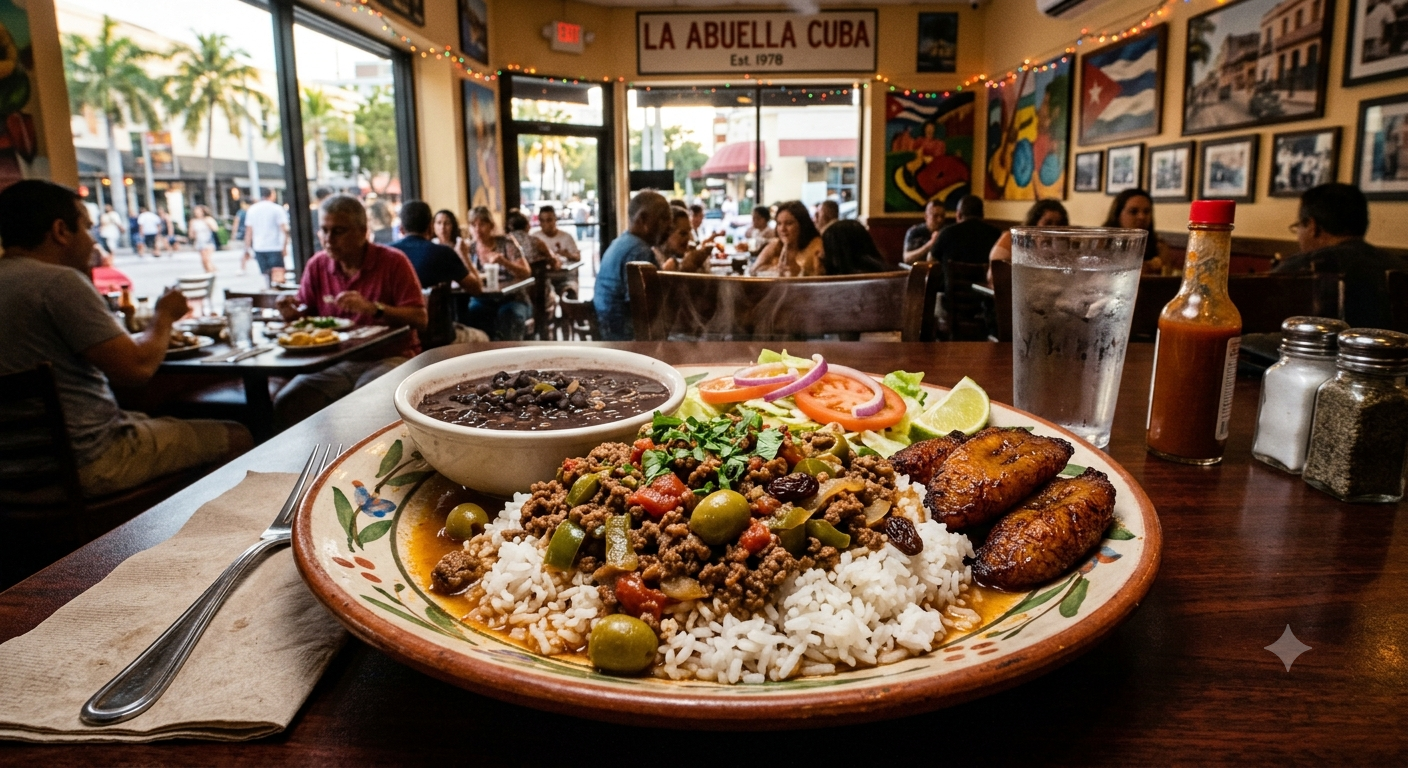
Picadillo Cubano is a traditional Cuban ground beef dish, slow-simmered with tomatoes, onions, garlic, and green peppers, then finished with a signature combination of green olives and raisins. That sweet-and-salty pairing is what makes the dish instantly recognisable — and it’s also the first thing that separates an authentic version from an imitation. Some cooks add capers, diced potatoes, or a splash of dry wine to deepen the sauce, but the base formula stays the same: ground beef, a rich tomato sofrito, and that unmistakable balance of briny and sweet.
It’s almost always served with white rice, black beans, and a side of fried sweet plantains (maduros). Together, this combination is often referred to as a Cuban “completa” — a full home-style plate that’s meant to be filling, comforting, and unfussy.
Where the Dish Comes From
The word picadillo comes from the Spanish verb picar, meaning to chop or mince — a direct reference to the ground meat at the centre of the dish. While variations of picadillo exist across Latin America, Spain, and even the Philippines, the Cuban version is distinct for its use of raisins and olives together, a combination that reflects Cuba’s Spanish and Caribbean culinary influences.
Why “Near Me” Searches for Picadillo Are Booming
Cuban food has quietly become one of the most searched-for cuisines for home-style comfort meals, and picadillo sits right at the centre of that trend. Unlike heavier dishes, picadillo feels indulgent without weighing you down, which makes it a popular lunch and dinner order alike. It also travels well for takeaway and delivery, holding its texture and flavour far better than fried or crispy dishes do.
For many people searching “best picadillo cubano near me,” the appeal isn’t novelty — it’s familiarity. Even first-time diners tend to describe it as a dish that feels like home cooking, which is exactly why restaurants that get it right tend to build a loyal following fast.
How to Spot an Authentic, High-Quality Picadillo
Not every restaurant that lists picadillo on the menu treats it with the care the dish deserves. Before you commit to an order, here’s what actually separates a well-made plate from a mediocre one.
1. The Sofrito Should Smell Alive, Not Just Taste of Tomato
A proper picadillo starts with a fresh sofrito — sautéed onions, garlic, and green peppers cooked down until soft and fragrant. If a restaurant’s version tastes like it’s built almost entirely from tinned tomato sauce with little aromatic depth underneath, that’s usually a sign the base was rushed.
2. The Beef Should Be Tender, Not Dry or Crumbly
Because picadillo simmers for a while, the beef should be moist and slightly saucy, never dry or overly browned. If the beef looks like it was flash-fried rather than slow-cooked in the sauce, it’s missing the low-and-slow step that gives the dish its signature tenderness.
3. Olives and Raisins Should Be Present, Not an Afterthought
This is the detail that trips up the most kitchens. Some restaurants skip the raisins entirely, or add just one or two olives for show. A properly made picadillo should have a noticeable presence of both, distributed throughout the dish rather than sitting on top as a garnish.
4. The Sauce Consistency Should Be Balanced
A great picadillo isn’t soupy, and it isn’t dry either. It should coat the meat in a rich, slightly thickened sauce — enough moisture to soak into the rice without turning the whole plate watery.
5. The Sides Matter Just as Much as the Main
An excellent picadillo is often let down by mediocre sides. Look for restaurants that pair it with well-seasoned black beans (not straight from a tin with no seasoning) and maduros that are caramelised and soft, not undercooked or greasy.
Questions Worth Asking Before You Order
If you’re comparing a few local options before deciding where to order from, a couple of quick questions can save you from a disappointing meal:
- Is the picadillo made fresh daily, or batch-cooked and reheated? Fresh daily prep almost always produces a better texture.
- Does the dish include both olives and raisins? If a menu description leaves this out, it’s worth asking directly.
- Are the plantains fried to order? Plantains that sit under a heat lamp lose their caramelised edge quickly.
- Is the restaurant Cuban-owned or Cuban-influenced? This isn’t a hard rule, but family-run Cuban kitchens are statistically more likely to follow traditional preparation methods rather than a simplified, Americanised version.
How to Find the Best Picadillo Cubano Near You
Search engines and map apps are the fastest starting point, but a few tactics will get you better results than a generic search:
- Search “Cuban restaurant” rather than just “picadillo” — many kitchens that make excellent picadillo don’t list it prominently in their online listings, even though it’s a staple on the in-house menu.
- Check recent reviews, not just the star rating. A 4.5-star average can hide inconsistency. Look specifically for reviews that mention picadillo by name, since generic reviews about a restaurant’s ambience won’t tell you anything about this particular dish.
- Look at photos uploaded by customers, not just the restaurant’s own menu photos. Customer photos are far more honest about portion size, sauce consistency, and how generous the olive-and-raisin mix actually is.
- Call ahead if you’re ordering for a group. Some restaurants only make picadillo as a daily special rather than a permanent menu item, so a quick call can save a wasted trip.
Frequently Asked Questions
Is picadillo spicy? Traditional Cuban picadillo is not spicy. It’s savoury and slightly sweet, with the heat level closer to a mild tomato-based stew than anything fiery. Some Latin American variations from other countries do add chilli, but the Cuban version relies on olives, raisins, and aromatics rather than spice.
What’s the difference between picadillo and ropa vieja? Both are classic Cuban comfort dishes, but ropa vieja is made with shredded, slow-braised beef, while picadillo uses ground beef. Picadillo also has a distinctly sweeter, briny profile thanks to the raisins and olives, whereas ropa vieja leans more purely savoury.
Can picadillo be made without raisins? Yes — some cooks and restaurants leave the raisins out by preference, but purists consider them essential to an authentic Cuban version. If you’re trying picadillo for the first time, it’s worth ordering the traditional version with raisins included before deciding you don’t like them.
What should I order alongside picadillo? The classic pairing is white rice, black beans, and fried sweet plantains. Together, this forms what’s often called a Cuban completa, and it’s the most authentic way to experience the dish.
Final Thoughts
The best picadillo cubano near you isn’t necessarily the closest option or the one with the flashiest menu photos — it’s the kitchen that treats the sofrito, the slow simmer, and that signature olive-and-raisin balance as non-negotiable. Use the checklist above next time you’re comparing local Cuban restaurants, and you’ll have a much better chance of landing on a plate that actually earns its place as your new go-to comfort meal.