Best Empanadas de Cazón Near Me: A UK Guide to Venezuela’s Favourite Coastal Snack
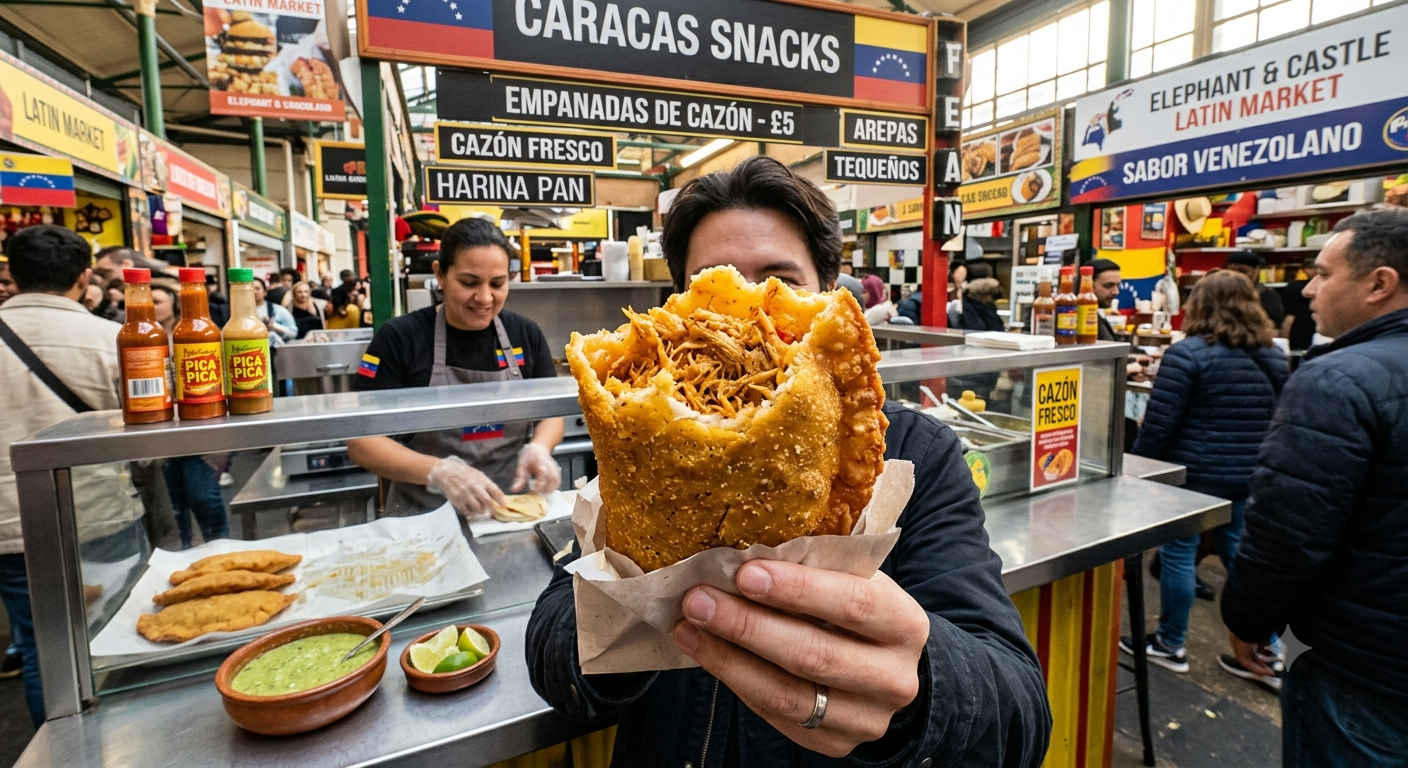
If you’ve typed “best empanadas de cazón near me” into Google, chances are you already know exactly what you’re after: a crisp, golden cornmeal pocket packed with tender, shredded shark and a punch of coastal Venezuelan seasoning. It’s not the easiest dish to track down outside Venezuela, but the UK’s growing Latin American food scene — especially in London — means it’s more findable than you might think, if you know where to look and what separates the real thing from a lazy imitation.
This guide covers what empanadas de cazón actually are, why they taste the way they do, where you’re most likely to find authentic versions in the UK, and how to spot a genuinely well-made one before you order.
What Is Empanada de Cazón, Exactly?
Empanada de cazón is a fried, cornmeal-based pastry filled with cazón — a small, mild shark species that’s a staple of Caribbean and Venezuelan coastal cooking. Unlike beef or chicken empanadas, which lean on heavier, fattier fillings, cazón brings a light, slightly briny flavour that pairs naturally with the crunch of a masa harina (pre-cooked cornmeal) shell.
Where the Dish Comes From
The dish has deep roots along Venezuela’s Caribbean coastline, particularly around Margarita Island and the country’s eastern fishing towns, where shark was historically an affordable, abundant catch. Fishing families developed a method of poaching and shredding the fish, then simmering it in a sofrito-style base of onion, garlic, sweet and hot peppers, tomato, and local spices, before stuffing it into a corn dough shell and deep-frying it to order. It became — and remains — a breakfast and street-food staple, sold from beachside stalls and market carts across the country.
How It Differs From Other Empanadas
Three things set empanada de cazón apart from the beef, chicken, or cheese versions more commonly seen on UK menus:
- The dough. Traditional cazón empanadas use masa made from pre-cooked white or yellow cornmeal (commonly Harina PAN), not wheat pastry. This gives the shell its distinctive crackly, slightly grainy crunch.
- The filling texture. Cazón is poached and shredded into fine, thread-like flakes rather than diced or minced, so the filling feels light and almost fluffy inside the crust.
- The seasoning profile. A proper sofrito base with peppers, garlic, and often a touch of achiote or cumin gives the filling a warm, savoury depth without tasting overtly “fishy.”
Why “Near Me” Searches Are Tricky in the UK
Empanada de cazón is far less common on UK menus than Venezuelan arepas, tequeños, or beef empanadas, mainly because good cazón (or a suitable shark substitute) isn’t something most kitchens stock as standard. Many Latin American restaurants rotate their empanada fillings, meaning cazón might appear as a weekend special or seasonal item rather than a permanent menu fixture. Because of this, your best strategy isn’t just searching generic directories — it’s targeting neighbourhoods with an established Venezuelan or Colombian community, then confirming directly with the kitchen whether cazón is currently on offer.
Where to Look in the UK
London’s Elephant & Castle: The Obvious Starting Point
South London’s Elephant & Castle is home to one of the country’s longest-established Latin American communities, built up over decades by Colombian, Venezuelan, and wider South American families. The area — sometimes referred to locally as the Latin Quarter — is dense with independent cafés, delis, and restaurants specialising in arepas, empanadas, cachapas, and tequeños. Venezuelan-focused spots in and around Elephant Park and the Elephant Road arches are the most likely places to find shark-based fillings, since owners here often serve regional dishes that reflect their own home coastlines. Because menus and specials change, it’s worth calling ahead or checking a restaurant’s current listings before making a special trip specifically for cazón.
Brixton and Peckham
Both areas host a mix of Colombian, Venezuelan, and Mexican eateries with strong reputations for empanadas, tequeños, and other fried snacks. As with Elephant & Castle, cazón specifically tends to show up on rotating or specials menus rather than as a guaranteed daily item, so it pays to check ahead.
South West London
Family-run Venezuelan restaurants in this part of the city are known for homemade, traditional-style cooking, including empanadas and patacones, with some offering frozen empanadas for home cooking — useful if you’d rather fry your own at home on a schedule that suits you.
Latin American Grocers and Delis
If you can’t find a restaurant currently serving cazón, a Latin American grocer stocking Harina PAN, frozen empanada discs, and occasionally frozen shark or a suitable substitute is your next best bet for a homemade version. Delis in Elephant & Castle in particular double as informal community hubs where staff can often point you toward whichever local kitchen is doing cazón that week.
What Makes a Genuinely Good Empanada de Cazón
Not every version you find will be worth the trip. Here’s what to look — and taste — for.
The Shell Should Crackle, Not Crumble
A properly made cornmeal shell should shatter slightly under the first bite, with a firm but not tough texture. If it’s soft, greasy, or doughy in the middle, the oil temperature was likely too low during frying, or the dough wasn’t rested properly before shaping.
The Filling Should Taste Clean, Not Fishy
Good cazón has a mild, faintly sweet seafood flavour. If the filling tastes strongly “fishy” or metallic, it’s usually a sign the fish wasn’t fresh, or wasn’t properly cleaned and poached before shredding. The seasoning should complement the fish, not mask it.
The Texture Should Be Light and Flaky
Because cazón is shredded into fine threads rather than chopped or minced, the filling should feel light in the mouth — almost fluffy — rather than dense or paste-like.
Served Hot, Always
Empanadas de cazón are meant to be eaten fresh from the fryer. A rewarmed or previously frozen-and-reheated empanada rarely holds the same crisp shell, so freshly-fried should always be your first choice when it’s available.
Making It at Home When You Can’t Find It Locally
If a genuine UK cazón empanada proves hard to track down where you live, making it yourself is a realistic option. Shark fillets aren’t widely stocked in mainstream UK supermarkets, but many Asian and international fishmongers carry small shark or dogfish, which works as a close substitute. Poach the fish gently, shred it while warm, and simmer it in a base of finely diced onion, garlic, red and green pepper, and tomato, seasoned with cumin, a touch of paprika, salt, and black pepper. Rest the filling overnight if you can — the flavours deepen considerably by the next day. For the dough, pre-cooked cornmeal (Harina PAN or a similar masarepa) mixed with warm water and a pinch of salt gives you an authentic base; flatten portions between plastic wrap rather than rolling, fill, seal, and deep-fry until deep golden brown.
Serving Suggestions
Empanadas de cazón are traditionally eaten on their own as a handheld snack, breakfast, or light lunch, but they pair especially well with:
- Guasacaca — a Venezuelan avocado-based sauce, similar to a herby, tangy guacamole
- A squeeze of fresh lime to brighten the seafood flavour
- A cold malta or fresh juice, in keeping with how they’re traditionally served at Venezuelan beach stalls
Frequently Asked Questions
Is cazón the same as regular shark meat? Cazón typically refers to smaller shark species with milder, less “gamey” flesh than larger sharks, which is part of why it works so well in a fried snack rather than tasting overly strong.
Can I substitute another fish? Yes — dogfish, small shark, or even firm white fish like monkfish can work in a pinch, though the flavour and texture won’t be quite identical to traditional cazón.
Are empanadas de cazón spicy? Not inherently. The seasoning is savoury and aromatic rather than hot, though some versions are served with a spicy dipping sauce on the side.
Why is cazón hard to find in UK restaurants? It’s a niche ingredient outside Latin American markets, so UK kitchens that do serve it tend to be small, community-focused Venezuelan restaurants rather than large chains — which is exactly why it’s worth seeking out.
Final Thoughts
Finding the best empanadas de cazón near you in the UK takes a bit more legwork than searching for a beef or chicken version, but the payoff — a crisp, golden shell wrapped around delicately seasoned shark — is worth it. Start with established Latin American neighbourhoods like Elephant & Castle, call ahead to confirm what’s on the menu that day, and don’t rule out making a batch at home if your local search comes up short.