Nursery School Enrollment Guide: Choosing the Right Early Education Program
You want your child to thrive from their earliest days, and nursery school gives you a structured, social, and development-focused start that supports cognitive, emotional, and motor skills. A good nursery school balances safe care with purposeful learning, helping your child build routines, friendships, and the foundational skills they need for primary school.
This article nursery schools explains what nursery school actually offers, how it differs from daycare and preschool, and what to look for when choosing the right program for your child and family. Expect practical guidance on curriculum, staff qualifications, daily routines, and questions to ask during visits so you can make a confident, informed decision.
Understanding Nursery School
Nursery school prepares children aged about 3–5 for formal schooling by combining play, routines, and guided learning to build social, emotional, language, and basic cognitive skills. You’ll find programs differ by schedule, curriculum focus, and teacher qualifications.
What Is Nursery School
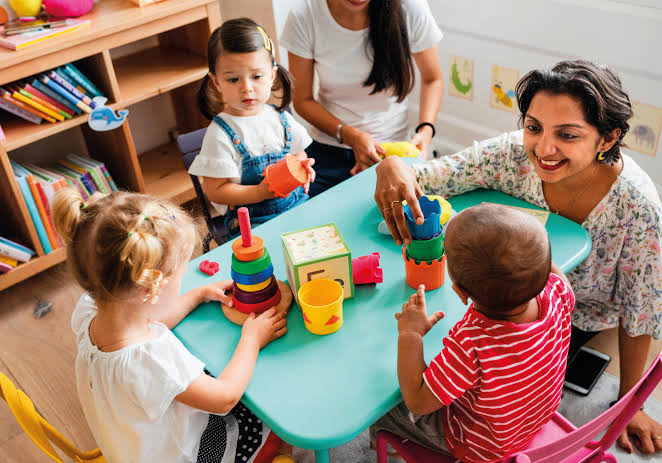
A nursery school is an early childhood program for children typically aged three to five. You’ll encounter daily activities structured around play, story time, art, and group tasks that teach turn-taking and listening skills.
Teachers usually hold training in early childhood development and design lessons that develop language, early math concepts, fine motor skills, and self-help abilities. Class sizes tend to be small to allow individualized attention and to support transitions into kindergarten.
Environments emphasize predictable routines—arrival, free play, circle time, snack, and outdoor play—so children learn time awareness and classroom expectations. Assessment focuses on milestones and observations rather than formal tests.
Benefits of Early Childhood Education
Attending nursery school improves social skills by giving your child repeated practice sharing, negotiating, and following rules. These interactions reduce separation anxiety and strengthen peer relationships.
Cognitive gains include vocabulary growth, early literacy awareness, and basic numeracy through songs, stories, and guided activities. Regular exposure to group learning also builds attention span and task persistence you’ll see carry into formal schooling.
Nursery settings provide early identification of learning or developmental concerns, enabling timely referrals to specialists. They also offer parents guidance on routines, behavior strategies, and school readiness.
Types of Nursery Schools
You’ll find several common types: public preschools, private nursery schools, playgroups, and childcare-based nursery programs. Public preschools often follow state curriculums and may be income-based or free; private nurseries vary in philosophy and cost.
Playgroups emphasize informal social play and parental involvement and suit families seeking flexible, short sessions. Childcare-based nursery programs combine care and early education, offering full-day schedules for working parents.
Specialized models include Montessori, Reggio Emilia, and faith-based nurseries, each with distinct classroom arrangements and pedagogical priorities. Compare teacher qualifications, child-to-adult ratios, daily schedules, and curriculum goals to choose the right fit for your child.
Choosing the Right Nursery School
Look for programs that match your child’s temperament, your family schedule, and the learning goals you value. Prioritize daily routines, teacher qualifications, and how staff communicate with parents.
Key Factors to Consider
Start with teacher-to-child ratios and staff qualifications. Ask for staff CVs or certifications and confirm how many children each adult supervises during key activities like meals and outdoor play. Low ratios and trained caregivers reduce stress and improve individualized attention.
Visit during arrival, nap time, and free play to observe routines. Notice how teachers manage transitions, handle conflicts, and encourage independence. Check licensing, inspection reports, and references from current parents for concrete evidence of quality.
Also assess logistics: hours, drop-off policies, tuition, waitlist procedures, and illness policies. Confirm how the school handles allergies and emergency contacts. These operational details shape daily life for you and your child.
Curriculum Approaches
Identify the daily schedule and primary learning approach: play-based, Montessori, Reggio Emilia, or academic readiness. Request sample weekly plans showing concrete activities for language, motor skills, and social development. Look for balance between free play and adult-guided learning.
Ask how the school measures progress. Good programs use observational notes, portfolios, or brief reports with examples of work and behavior—avoid places that only issue generic, infrequent updates. Find out how often teachers meet with families to set goals for areas like toileting, language, or emotional regulation.
Check classroom materials and learning centers. Practical, hands-on materials—books, loose parts, art supplies, and outdoor equipment—indicate active learning. Confirm how the curriculum adapts for different ages and developmental levels within the same room.
Safety and Facilities
Confirm building safety: secure entry, visible emergency exits, and up-to-date fire and health inspections. Ask for the school’s emergency plan and first-aid certifications for staff. Verify background checks for all employees and any on-site security protocols.
Evaluate indoor and outdoor spaces for cleanliness and child-sized furnishings. Look for soft surfaces, shaded outdoor areas, and separate rest and active-play zones. Check toy condition and sanitation routines for high-touch items.
Review health policies: sick-child guidelines, medication administration, and immunization requirements. Ask how the school communicates incidents and whether they perform daily health checks. Clear, written policies reduce ambiguity and protect your child’s well-being.