Vertical Roller Mill vs. Ball Mill: Which is Better for Cement Grinding?
Choosing the right grinding technology is one of the most critical decisions in cement manufacturing. The debate between a Ball Mill and a Vertical Roller Mill has been ongoing for years, with each system offering distinct advantages depending on operational needs. For plant owners and investors, the decision is not simply about equipment preference, but about efficiency, cost, product quality, and long-term performance. With advanced solutions from companies like Cementl, understanding these differences becomes essential for optimizing modern cement grinding operations.
Understanding the Ball Mill in Cement Grinding
The Ball Mill has long been a staple in the cement industry. It operates by rotating a cylinder filled with steel balls that crush and grind clinker into fine powder. This traditional method is known for its simplicity, reliability, and flexibility.
One of the main advantages of a Ball Mill is its ability to handle a wide range of materials and adapt to varying production conditions. It is particularly suitable for small to medium-scale operations where flexibility is a priority. However, the Ball Mill is also known for higher energy consumption compared to newer technologies, which can increase operational costs over time.
Despite its limitations, the Ball Mill remains widely used due to its proven track record and relatively lower initial investment. Many manufacturers still rely on this system, especially in regions where energy costs are manageable and production demands are moderate.
Exploring the Vertical Roller Mill Technology
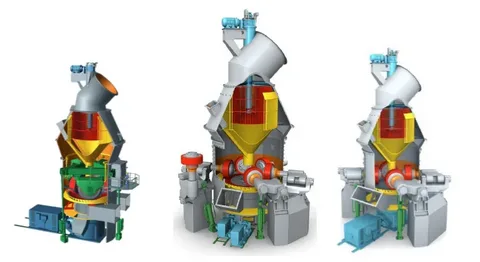
The Vertical Roller Mill represents a more modern approach to cement grinding. Instead of relying on impact and attrition like the Ball Mill, this system uses pressure and shear forces to grind materials between rotating rollers and a grinding table.
A key advantage of the Vertical Roller Mill is its energy efficiency. It typically consumes significantly less power than a Ball Mill, making it an attractive option for large-scale production. Additionally, the Vertical Roller Mill integrates drying, grinding, and separation into a single unit, streamlining the entire process.
This technology also offers better control over product fineness and consistency. With advanced automation systems, operators can adjust parameters in real time, ensuring optimal performance. Providers like Cementl specialize in delivering high-performance Vertical Roller Mill solutions that enhance productivity while reducing environmental impact.
Comparing Efficiency and Energy Consumption
When comparing a Ball Mill and a Vertical Roller Mill, energy efficiency is often the deciding factor. The Vertical Roller Mill generally consumes 20 to 40 percent less energy than a Ball Mill, making it more suitable for modern, high-capacity plants.
This reduction in energy usage not only lowers operational costs but also contributes to sustainability goals. In contrast, while the Ball Mill is reliable, its higher energy demand can become a disadvantage in regions with rising electricity costs.
For companies aiming to reduce their carbon footprint, the Vertical Roller Mill offers a clear advantage, especially when combined with energy-efficient technologies provided by manufacturers like Cementl.
Maintenance and Operational Considerations
Maintenance is another important aspect when choosing between a Ball Mill and a Vertical Roller Mill. The Ball Mill has a simpler mechanical structure, which makes it easier to maintain and repair. Spare parts are widely available, and the technology is well understood by operators.
On the other hand, the Vertical Roller Mill requires more advanced technical expertise. While it has fewer moving parts in some areas, its components are more complex and may require specialized maintenance. However, modern designs have significantly improved reliability, reducing downtime and maintenance frequency.
In the long run, a well-maintained Vertical Roller Mill can offer better performance and lower total cost of ownership compared to a Ball Mill.
Which One Should You Choose?
The choice between a Ball Mill and a Vertical Roller Mill ultimately depends on your specific production requirements. For smaller operations or plants with limited budgets, the Ball Mill remains a practical and dependable option. It offers flexibility and ease of operation, making it suitable for a wide range of applications.
For large-scale, modern cement plants, the Vertical Roller Mill is often the preferred choice. Its superior energy efficiency, integrated design, and advanced control systems make it ideal for high-output production environments.
Working with experienced providers like Cementl ensures that the selected system is tailored to your operational needs, maximizing both efficiency and profitability.
Conclusion: Making the Right Investment for Cement Grinding
Both the Ball Mill and the Vertical Roller Mill have their place in the cement industry, each offering unique advantages. The key is to align your choice with your production goals, budget, and long-term strategy.
As the industry moves toward greater efficiency and sustainability, the Vertical Roller Mill is gaining prominence for its ability to deliver high performance with lower energy consumption. However, the Ball Mill continues to be a reliable option for many applications.
By carefully evaluating your requirements and partnering with trusted experts like Cementl, you can make an informed decision that ensures optimal grinding performance and long-term success in cement production.