Why Rooftop Vibration From Mechanical Equipment Causes Surface Wear
Imagine sitting in your office or living room and hearing that low, constant hum from the HVAC unit above. Most people just chalk it up to background noise, but that subtle buzzing is actually a physical force that slowly grinds away at your building. Ignoring the shakes may force you to call a roof repair Pocatello contractor sooner than you ever expected. Mechanical vibration is a silent enemy of roofing longevity. It turns sturdy materials into dust through constant friction and stress. Understanding how this process works is the first step in protecting your investment and keeping your structure dry.
The Science of Constant Friction
When a heavy piece of mechanical equipment, like a chiller or an air handler, runs, it creates kinetic energy. Ideally, this energy stays within the machine. But reality is not that simple. It actually leaks into the mounting surface. This creates a phenomenon called micro-abrasion. Even if the movement is only a fraction of a millimeter, it happens thousands of times every hour.
Think of it like sandpaper. If you rub sandpaper once against a piece of wood, nothing much happens. If you vibrate that sandpaper against the wood for twenty-four hours a day, you will eventually burn right through the grain. Rooftop membranes like TPE or EPDM are durable, but they are not designed to withstand constant rubbing against metal or concrete supports. Over time, the vibration wears down the protective top layer of the roof, exposing the scrim or the insulation underneath.
Thermal Expansion and Harmonic Stress
Vibration does not work alone. It usually pairs up with temperature changes to cause double the damage. During the heat of the day, your roofing materials expand. At night, they contract. When you add mechanical vibration to this natural movement, the stress on the seams and flashings becomes intense.
Harmonic vibration can also travel through the structural steel of the building. This causes the fasteners holding the roof down to wiggle. As these screws or plates vibrate, they create larger holes in the membrane. Once those holes are wide enough, water finds an easy path inside. You might not notice the leak for months, but the deck underneath is likely rotting away while the machine continues to hum.
The Failure of Isolation Mounts
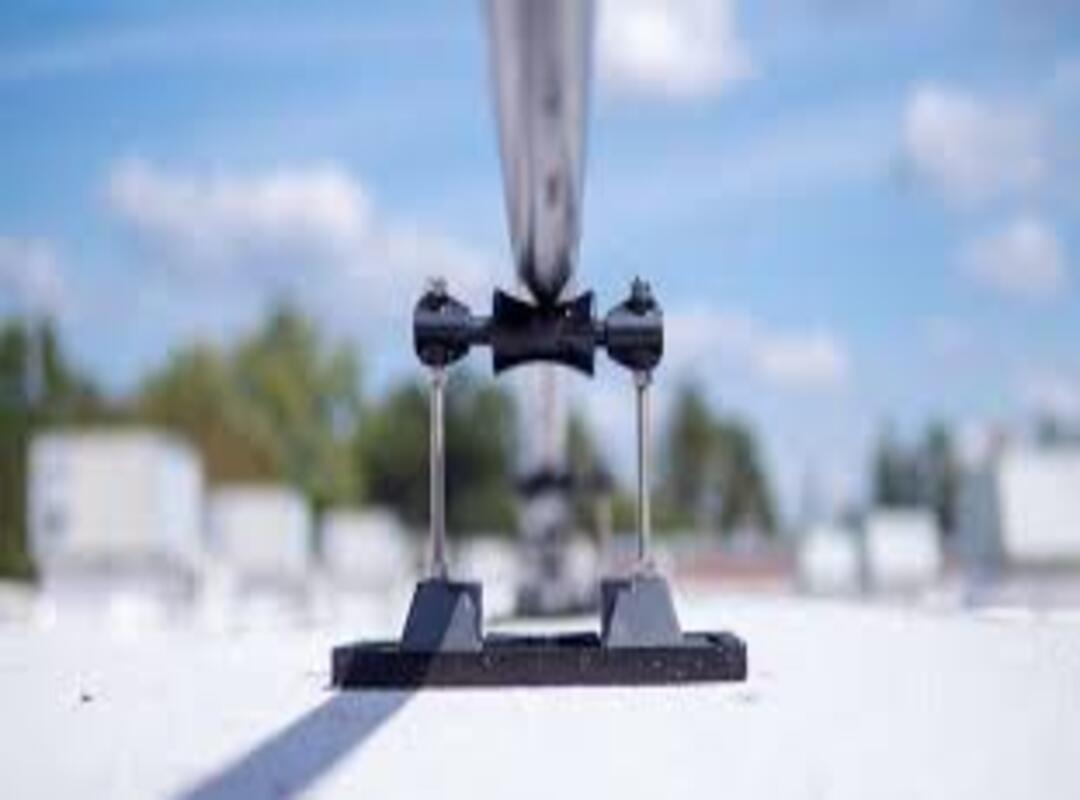
Most rooftop units sit on some kind of isolation system, like springs or rubber pads. These are meant to soak up the movement so the roof stays still. The problem is that these materials do not last forever. Rubber pads dry out and crack under the intense Idaho sun. Springs can lose their tension or become rusted.
When the isolation system fails, the mechanical unit essentially becomes a jackhammer on your roof. Instead of the energy being absorbed by a soft pad, it goes straight into the roofing plies. This is often where we see the most aggressive surface wear. You will notice dark spots or “bruises” on the roof around the base of the equipment. These are signs that the membrane is being crushed and thinned out by the weight and movement of the machine.
Why Support Structures Matter
How the equipment is supported makes a huge difference in how much wear occurs. Some units sit on wooden blocks or “sleepers.” These are notorious for holding moisture and vibrating against the roof surface. As the wood vibrates, it traps grit and dirt underneath it. This grit acts like an abrasive paste that eats through the roof membrane.
Professional installations use engineered curbs that are flashed directly into the roofing system. However, even a curb can be a point of failure if the unit on top is not balanced. An unbalanced fan or motor creates uneven centrifugal forces. This lopsided vibration puts extreme pressure on one side of the flashing, eventually causing the metal to fatigue and crack.
Final Word
Rooftop vibrations are more than just a noisy nuisance. They’re akin to a physical attack on the integrity of your building envelope. By the time you see a visible hole or a leak, the structural damage is often already extensive. Regular inspections catch these issues before they turn into a disaster. If you notice your equipment shaking or see wear patterns around your HVAC units, call an expert. A certified roof repair Pocatello contractor can fix these small vibrations. It will save you from the massive headache of a premature roof replacement tomorrow. Stay proactive and keep your building steady.